

Every culture has its own superstitions - and Korea is no exception. Many of these customs are looked at with a wink today, yet they show strikingly how deeply traditional ideas are embedded in everyday life. Here are some of the best-known Korean superstitions that locals (and sometimes Jihye and Philipp too) still think about:
1. Never write names in red
In Korea, red ink stands symbolically for death. In the past, the names of the dead were written in red on gravestones or entered in registers. That is why writing the name of a living person in red is considered extremely rude.
2. Don't stand your chopsticks up in the rice
If you take a break during the meal, the best place for your chopsticks is on the plate or beside the bowl. Standing chopsticks upright in the rice recalls a funeral ritual in which incense sticks are set up in bowls - a taboo at the dinner table!
3. The unlucky number 4
In Korean, the number 4 (사, sa) sounds like the word for death (사, sa). It is often avoided for that reason - much like 13 in the West. In many elevators you see the letter F (for “Four”) instead of the 4, to avoid bad luck.
4. A bouncing leg shakes your luck off
If someone sits there nervously bouncing a leg, you will quickly hear in Korea: “Stop shaking your luck off!” The belief is that the jiggling symbolically drives away prosperity or good fortune.
5. Red clothes for your parents
A lovely tradition - or, according to Jihye's mother, perhaps a clever marketing trick: when you get your first paycheck, you give your parents red underwear or a red T-shirt. Red used to count as a protective color against evil and was meant to preserve your parents' good fortune.
6. No seaweed soup before exams!
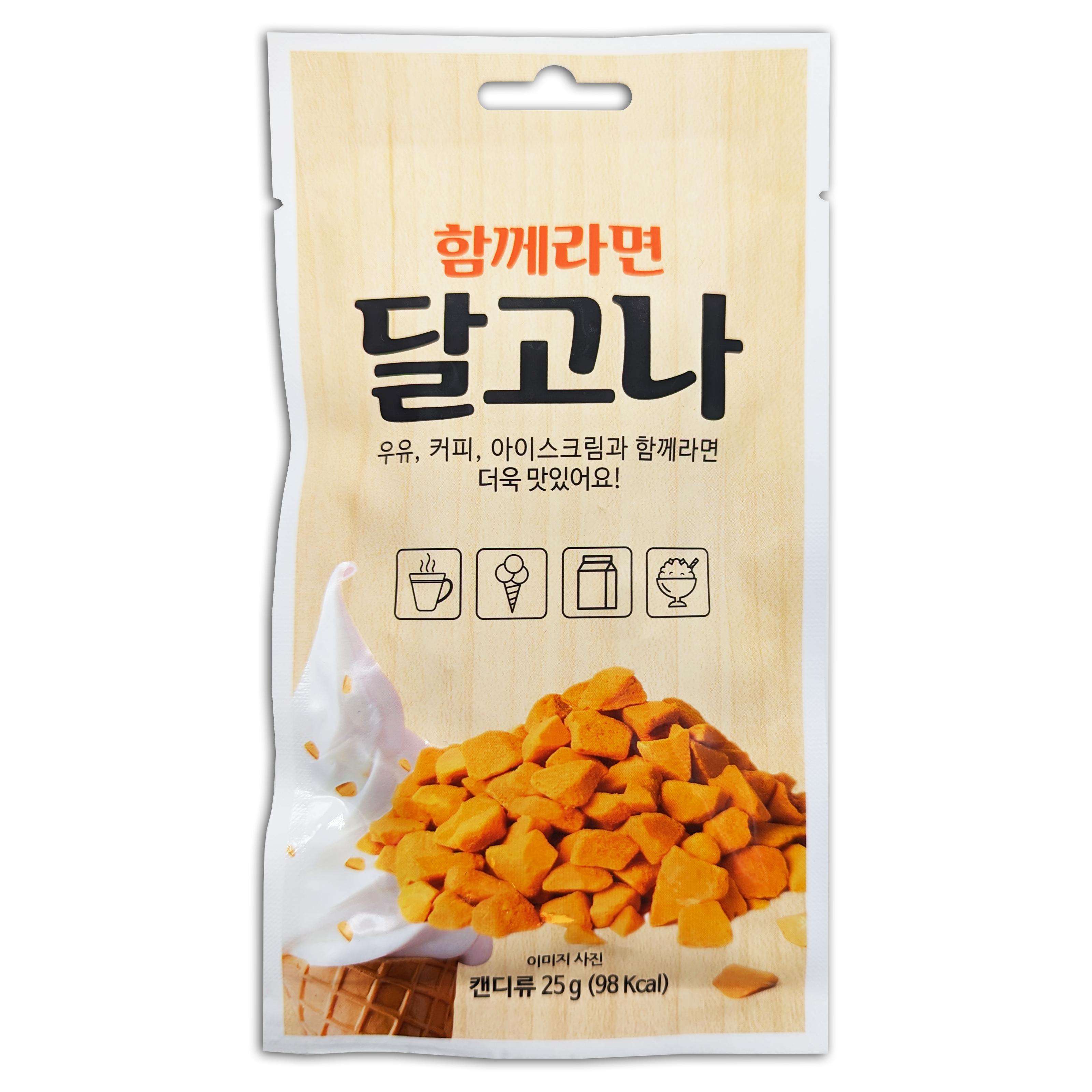
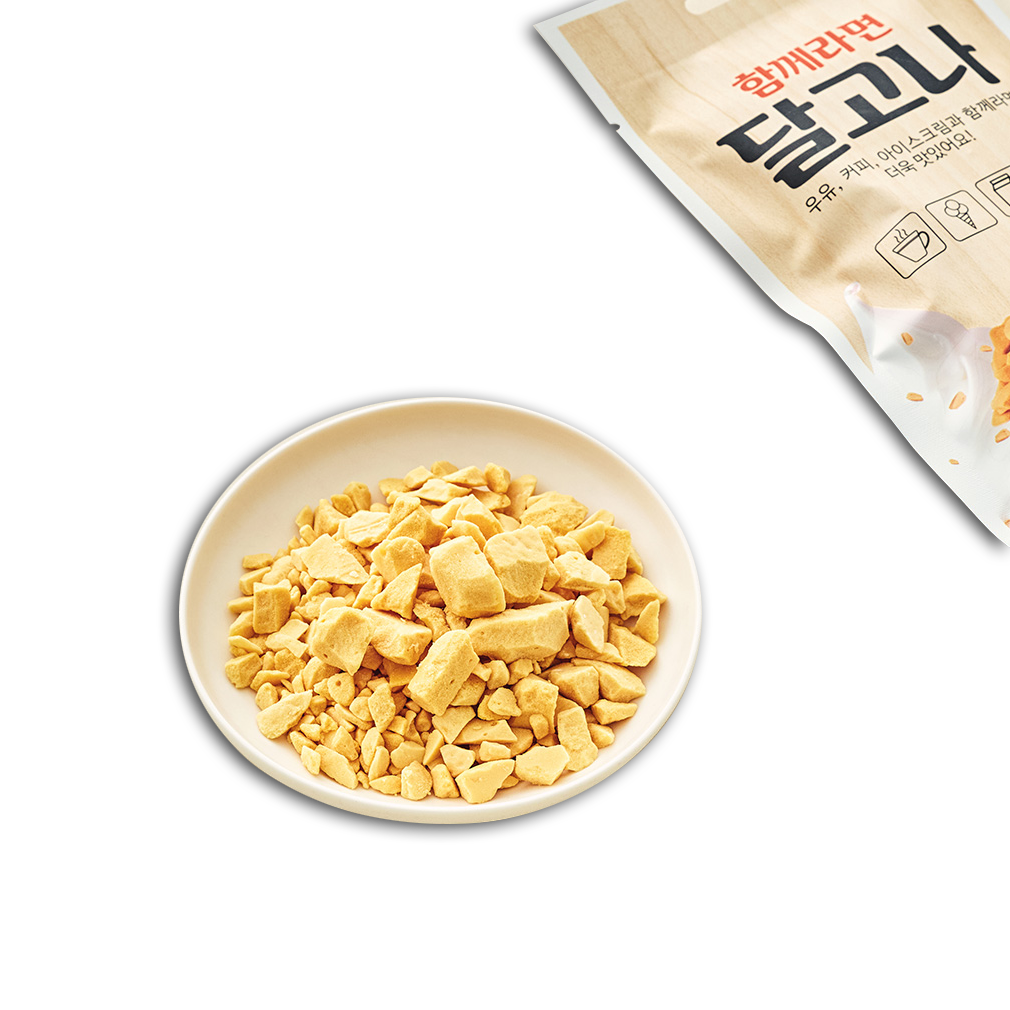
Before important tests you should definitely go without Miyeok-guk (seaweed soup), because the slippery seaweed stands symbolically for knowledge “slipping away”. Instead you eat sticky Yeot candy - so that what you have studied “sticks” better!
7. No shoes and no chicken wings for your partner
Shoes symbolize leaving - which is why you should never give them to your partner. Chicken wings are tricky too: they could symbolically lend wings and let the relationship “fly away”. Some couples give them to each other precisely as a small joke after an argument.
8. Danger looms at night – from the fan to the mouse
- According to the superstition, a running fan can suck the air out of the room - so it is better to switch it off overnight.
- Whistling at night is said to attract evil spirits.
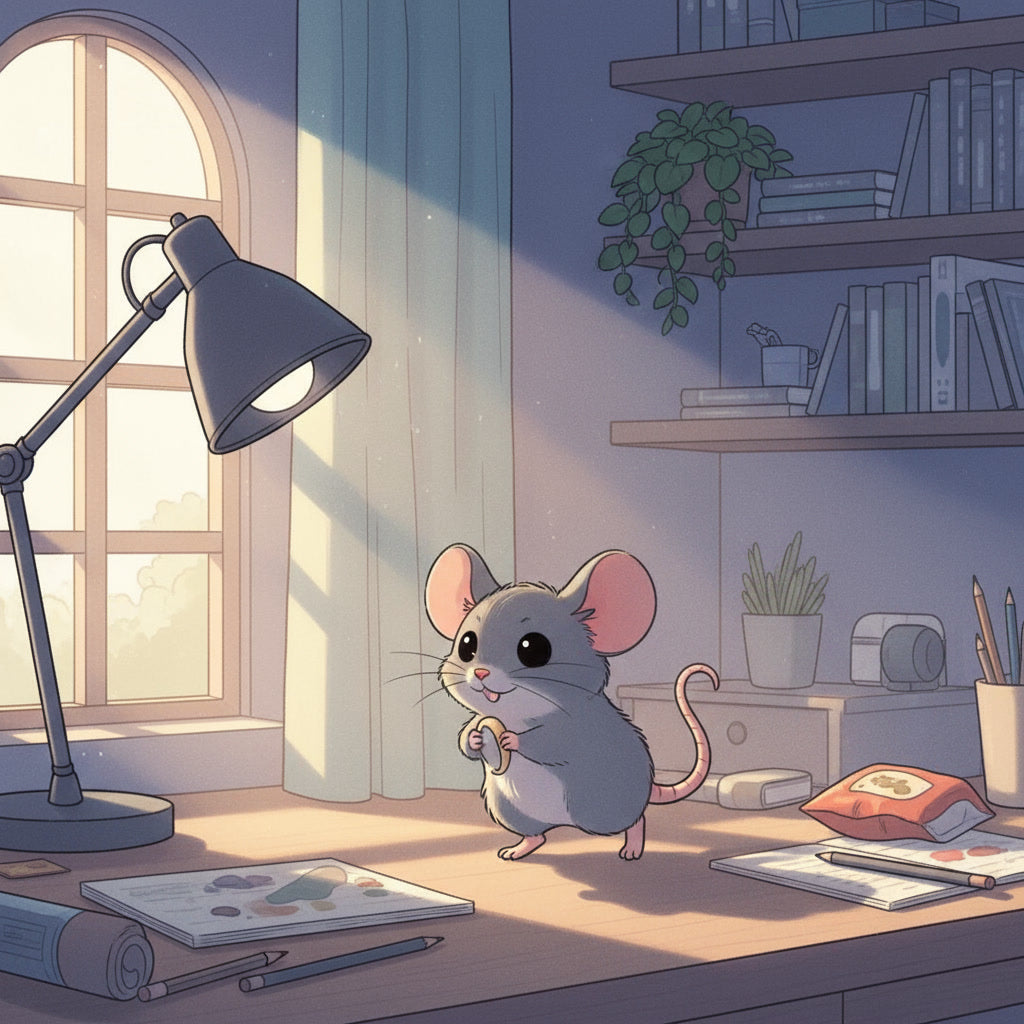
- Cutting your fingernails is taboo as well: mice could steal them and turn into a double of you - a real classic among Korean myths!
These superstitions show how closely symbolism and everyday life are interwoven in Korea – often with a wink, sometimes in real earnest. And while Philipp is still learning not to write in red, Jihye smiles at Western quirks like “Friday the 13th” - because superstition really does exist everywhere.


Leave a comment
This site is protected by hCaptcha and the hCaptcha Privacy Policy and Terms of Service apply.