

Tom yum (ต้มยำ) is a spicy and sour Thai soup: a broth with lemongrass, galangal, makrut lime leaves, chili, fish sauce and lime juice. With shrimp it is called tom yum kung, and in this form it has been on UNESCO's list of intangible cultural heritage since 2024. Here you will find a recipe and the story behind it.
What does tom yum mean?
ต้ม (Tom) refers to boiling. ยำ (Yam) is translated by the English Wikipedia as "mixed," while the Thai Wikipedia describes it as a type of sour and spicy dish. กุ้ง (Kung) means shrimp. The official transcription is actually "Tom Yam Kung," but "Tom Yum Goong" is more common.
What ingredients do I need for tom yum kung?
The amounts make four servings and follow the recipe from Hot Thai Kitchen by the chef Pailin Chongchitnant.
- 960 ml shrimp stock or unsalted chicken stock
- 12 to 15 medium to large shrimp, ideally with heads and shells
- 2 stalks lemongrass, lower half only, bruised
- 8 slices galangal
- 6 makrut lime leaves
- 2 to 5 Thai chilies, depending on how spicy you like it
- about 200 g mushrooms; in Thailand straw mushrooms are most common, Hot Thai Kitchen uses oyster mushrooms
- 60 ml nam prik pao, a Thai chili paste
- 3 tbsp fish sauce
- 120 ml freshly squeezed lime juice
- 1 tsp sugar
- Cilantro for serving
You can find lemongrass, galangal, makrut lime leaves and nam prik pao at an Asian grocery store. Nam prik pao is made from shrimp, chilies, shallots and garlic. According to Hot Thai Kitchen, the paste is not strictly necessary, but it goes well with the shrimp version.
How do I cook tom yum kung?
- Bring the stock to a boil and add the lemongrass, galangal, lime leaves and chilies. The herbs are meant to flavor the broth, similar to steeping tea.
- Add the mushrooms, chili paste, fish sauce and sugar.
- Add the shrimp and turn off the heat when they are almost done. They finish cooking in the residual heat.
- Only now, off the heat, stir in the lime juice and adjust the seasoning.
- Sprinkle with cilantro and serve with jasmine rice.
The lime juice goes in only at the end. Food blogger Mark Wiens explains that heat turns the juice bitter. Lemongrass, galangal and lime leaves traditionally stay in the soup but are not eaten.
What is the difference between clear and creamy tom yum?
In Thailand, restaurants often ask whether you want your tom yum "nam sai" or "nam khon." Nam sai is the clear broth, nam khon the creamy version. For the creamy version, according to Hot Thai Kitchen, unsweetened evaporated milk is added, about 120 ml for four servings, not sweetened condensed milk. Coconut milk works too. Stir in the lime juice only once the soup has stopped bubbling, otherwise the milk will curdle.
When the creamy version appeared is disputed: dates range from the reign of King Rama VI (1910 to 1925) to the 1980s. Food blogger Leela Punyaratabandhu calls it the newer, non-traditional version.
Since when has tom yum kung been UNESCO cultural heritage?
On December 3, 2024, UNESCO inscribed "Tomyum Kung" on the Representative List of the Intangible Cultural Heritage of Humanity. According to Thailand's nomination, the dish comes from Buddhist riverside communities in the central plains, where people did not slaughter large animals and therefore used freshwater shrimp. It is Thailand's fifth entry on the list, after the masked dance khon, Thai massage, the dance drama nora and the Songkran New Year festival.
How old is tom yum?
The oldest written records date from the late 19th century, around 1888 to 1890, and describe a tom yum with fish instead of shrimp. According to the English Wikipedia, a version with shrimp appears in a Thai food dictionary in 1898. The form known today is first recorded in 1964 in a book on royal cuisine.
What does tom yum have to do with instant noodles?
Tom yum is also one of the best-known flavors of Thai instant noodles. The biggest brand is MAMA from the manufacturer Thai President Foods, founded in 1972, with a market share of around half in Thailand. The American Thai-food chef Andy Ricker called tom yum kung by far the most popular flavor in Thailand in 2019.
Thailand even has a "Mama Index": if instant noodle sales rise, it is seen as a sign that people have less money. The newspaper The Nation described the noodles in 2022 as an index of economic hardship, but pointed out in 2015 that the index is not always reliable.
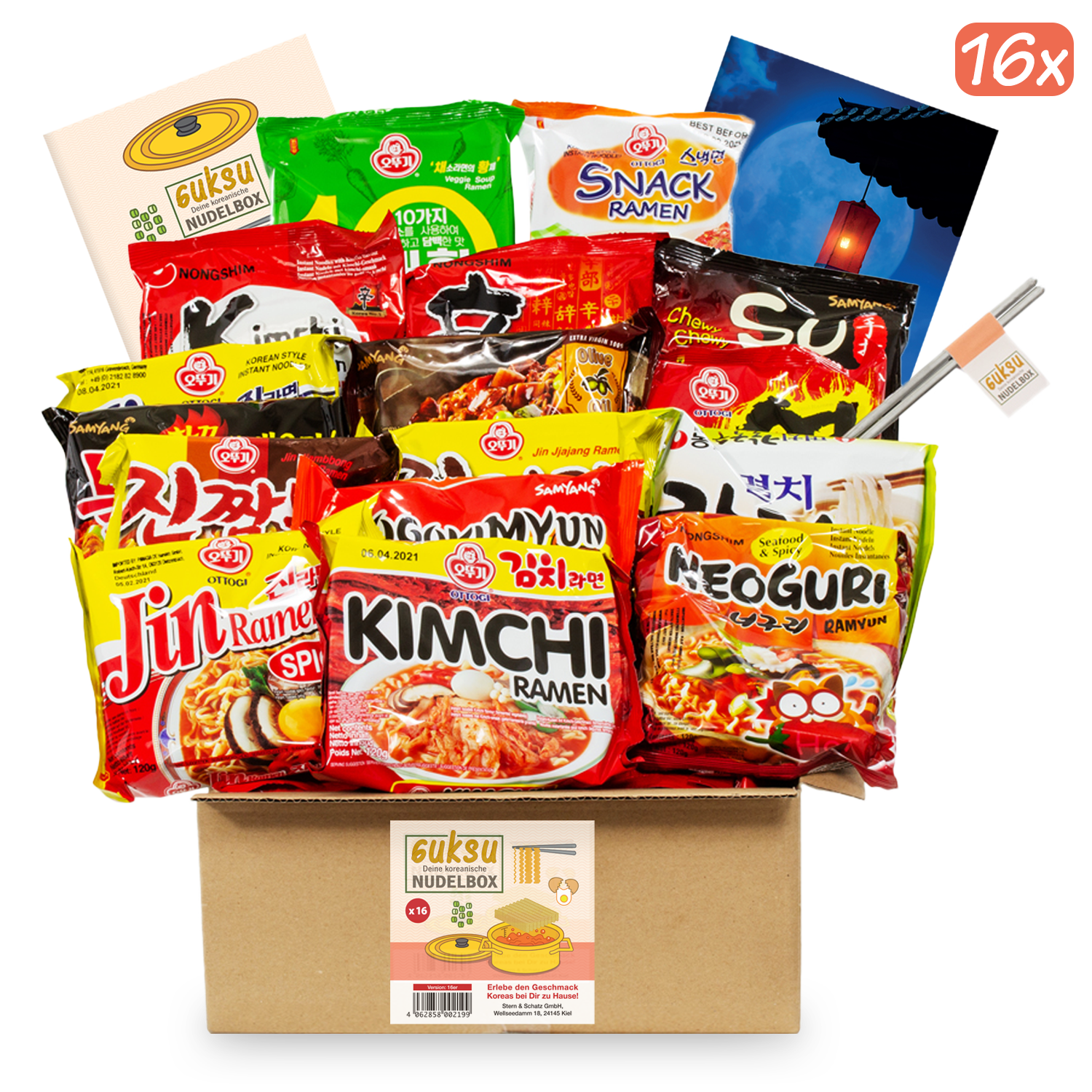
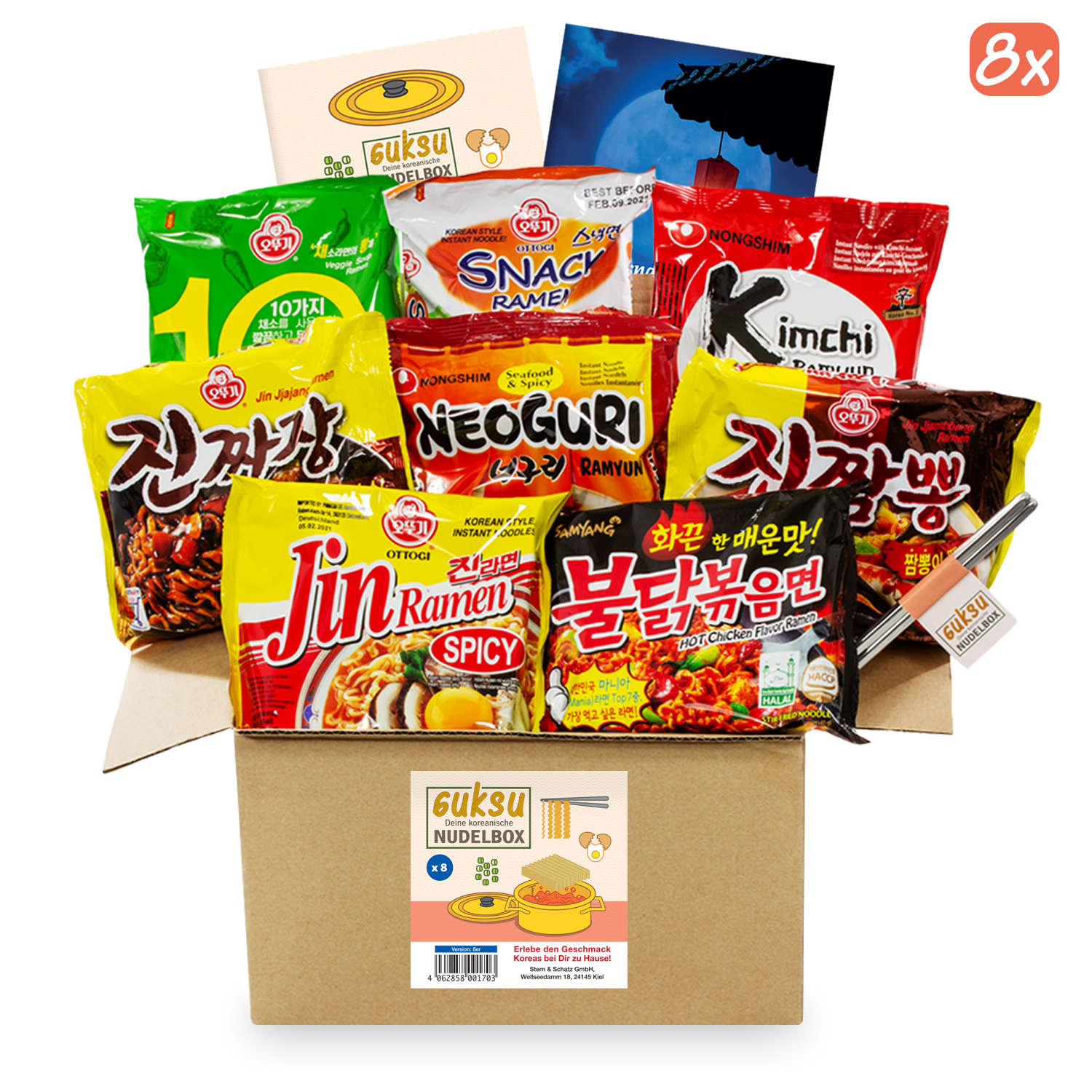
You can try Thai instant noodles from MAMA or YumYum in our Ba Mee box: 30 packs in ten flavors. Where Korean instant noodles come from is the subject of The success story of Korean instant ramen, and you will find Thai snacks in our Thailand category.
Sources
- Hot Thai Kitchen (Pailin Chongchitnant): Tom Yum Goong and Creamy Tom Yum
- She Simmers (Leela Punyaratabandhu): Tom Yam Kung (2011)
- RecipeTin Eats: Tom Yum Soup
- Eating Thai Food (Mark Wiens): Tom Yum Soup
- UNESCO: Tomyum Kung and decision 19.COM 7.B.12 (2024)
- Thailand's Ministry of Foreign Affairs: Tomyum Kung has been inscribed (2024)
- Chiang Mai Citylife: Royal Cuisine: Tom Yum Kung (2018)
- TASTE: on MAMA noodles (2019)
- The Nation: on the Mama Index (2015) and on instant noodles (2022)
- Wikipedia: Tom yum, Tom yum kung, ต้มยำ, Thai President Foods


Leave a comment
This site is protected by hCaptcha and the hCaptcha Privacy Policy and Terms of Service apply.